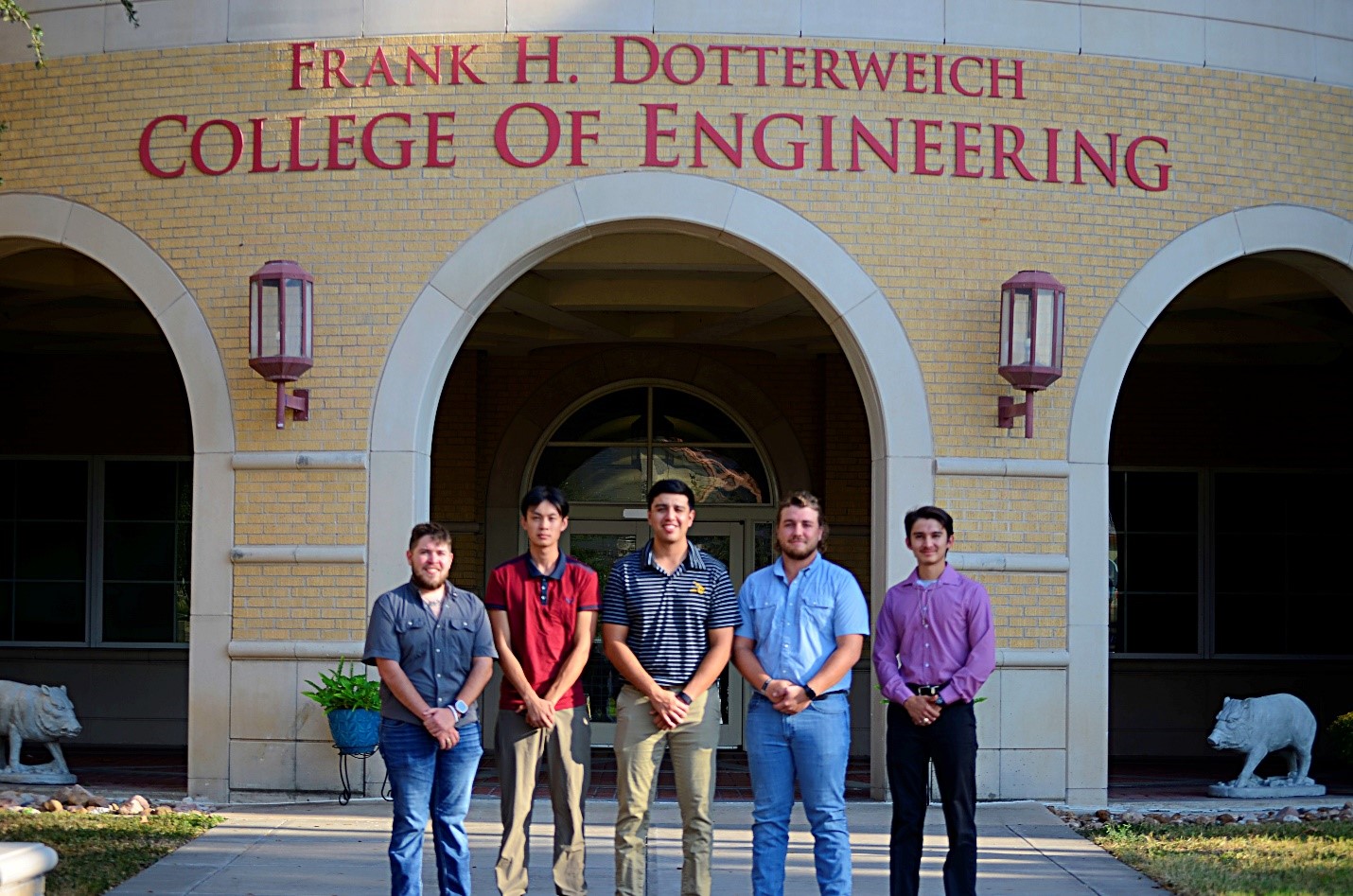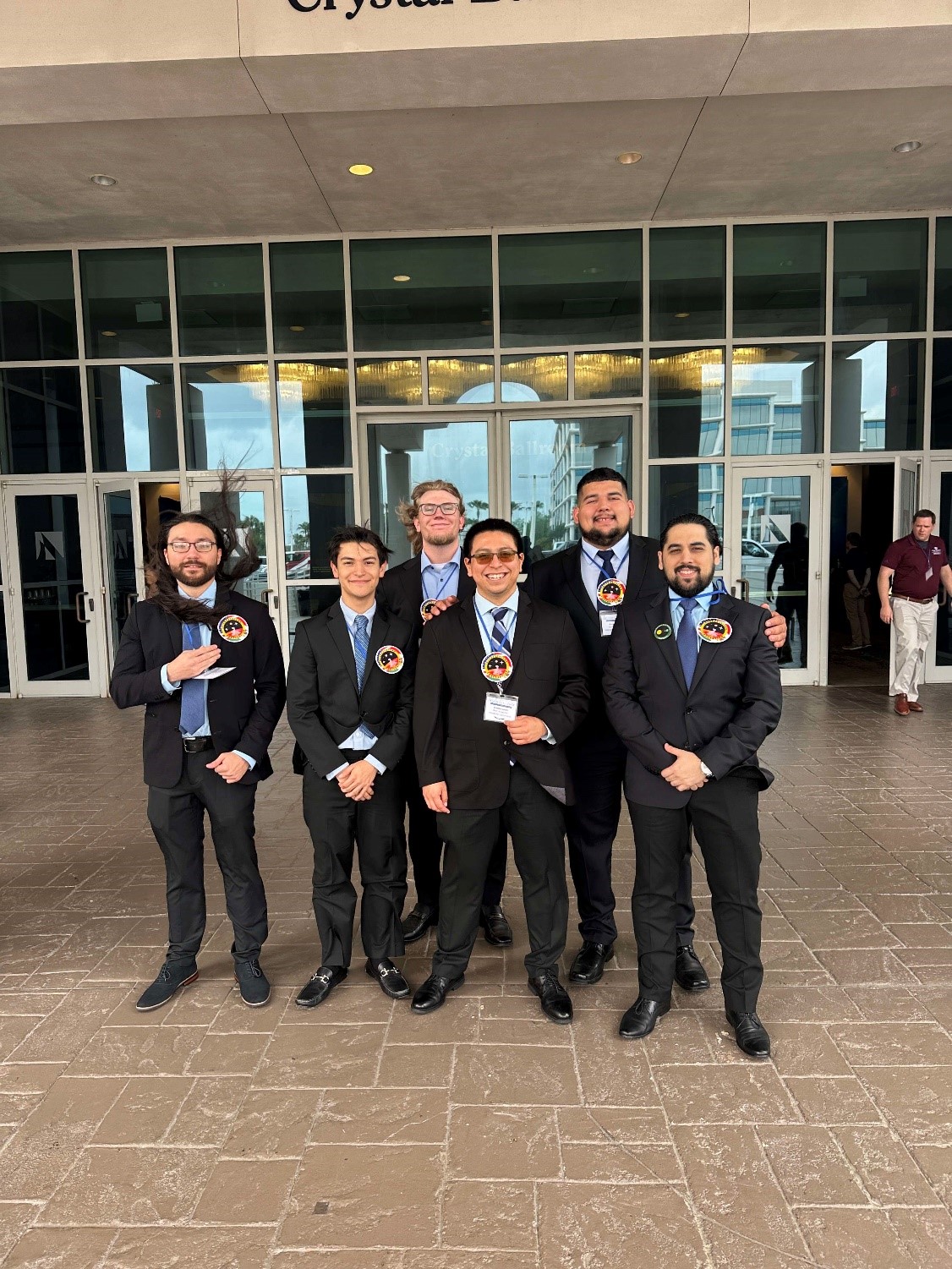
Senior Design Mechanical Engineering
In Spring 2026, there were 5 MEEN senior design teams each comprising of 5 student. Each student had a faculty advisor. Overall coordination of the senior design teams was done by Mr. Grady Isensee, instructor for the MEEN 4263 Senior Design I course. Following provide details of each team.
VTOL Drone Team
Faculty Advisor: Dr. Hong Zhou
Team Mambers: Chin Ching, Justin A.; Colon De Leon, Jose M.; Martinez, Joshua L.; Rodriguez, Alejandro G.; and Rodriguez, Isaac M.
Abstract
Natural disasters such as floods, wildfires, earthquakes, hurricanes, and tornadoes can leave people without access to critical medical supplies and communication due to damaged infrastructure and delayed response times. In many cases, individuals may also be stranded or isolated, making it difficult for rescue teams to locate and assist them in time. The CARE VTOL (Critical Aid Resupplying Equipment Vertical Takeoff and Landing) is a drone designed to deliver medical supplies, communication devices, and survival equipment in these situations. The system combines vertical takeoff and landing with fixed-wing flight to improve both accessibility and efficiency. It uses quad rotors for vertical lift and an electric ducted fan (EDF) for forward flight. Moreover, the propellers fold to reduce drag during cruise. The design also incorporates GPS tracking, modular camera systems, and communication with other UAVs to improve coordination during search and rescue operations. The CARE VTOL is designed to reach speeds of approximately 75–90 mph, with a flight time of 20–30 minutes and a range of up to 3 miles while carrying payloads of up to 10 pounds. It is also capable of safely deploying supplies from a height of around 30 feet. The design follows FAA Part 107 regulations and considers constraints such as weight limits, power requirements, material selection, and a project budget of approximately $3000. Overall, the CARE VTOL provides a practical solution for improving emergency response by reducing delivery time and increasing access to critical supplies in disaster situations.
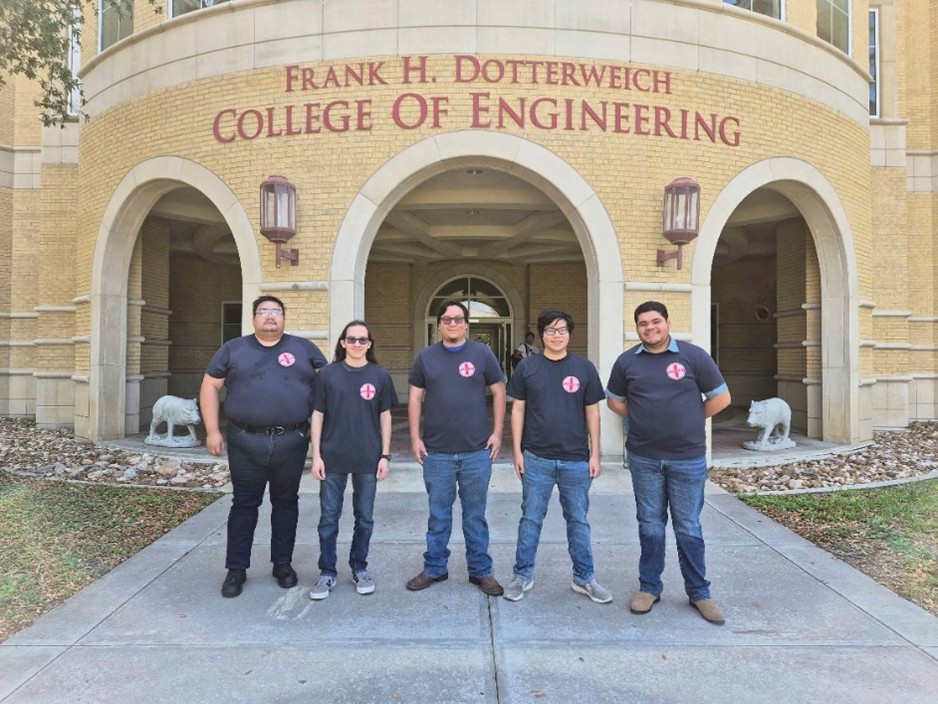
VTOL Drone Team
Steam Boiler Team
Faculty Advisor: Dr. Mohamed Elkhateeb
Team Mambers: Barrientez, Noah I.; Donnell, William T.; Gonzalez, Jadir I.; Pena, Josue and Ruiz, Daniel
Abstract
This project focuses on designing a 4 MW water-tube boiler system for use in a chemical processing plant. The requirements for the boiler are to produce 6 tons per hour of saturated steam at 150 psi while maintaining a minimum thermal efficiency of 90% at design steam load. The goal of the design is to provide a safer and more energy efficient alternative to older boiler systems that often waste fuel and pose operational risk. This project includes thermodynamic analyses, heat transfer and fluid flow calculations, structural stress evaluations of pressure components, material selection, and incorporation of appropriate safety and control systems. All design decisions are made in accordance with applicable ASME codes and standards to ensure reliability and safe operation. The objectives will include, but not limited to, the following: a complete analytical design supported by calculations, a system schematic, and documentation demonstrating that performance, safety, and efficiency requirements are achieved. The final design will integrate optimized combustion, circulation, control systems, and safety features to ensure reliable, efficient, and sustainable operation within realistic economic and operational constraints.
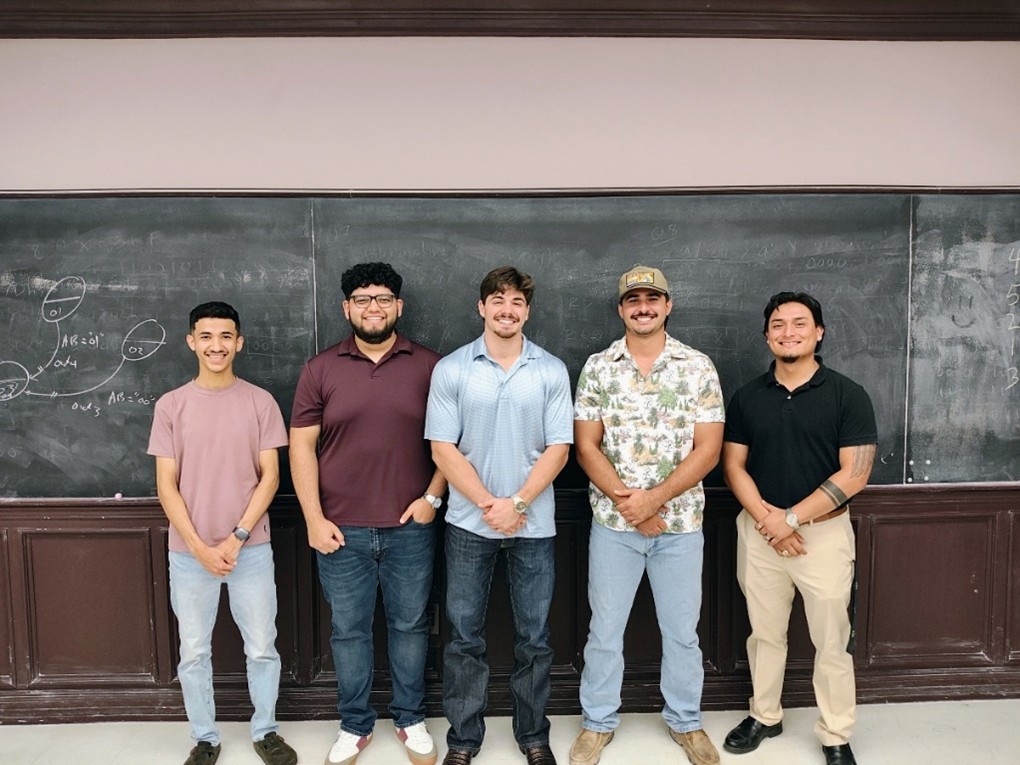
Boiler Team Photo
Desalination Process Team
Faculty Advisor: Dr. Sangsoo Lee
Team Members: Mejia, Javier; Montalvo, Eligio; Perez, Jesse D.; Ramirez, Daniel; and Reyes, Christopher R.
Abstract
Current industry desalination systems are dominated by large-scale infrastructure and centralized facilities that require substantial power and permanent installations, leaving remote and emergency-response populations with limited or no access to safe drinking water. The objective is to design and develop a portable desalination system capable of producing potable water from brackish or seawater for disaster relief and off-grid environments. Moreover, the team proposes to engineer a modular, low-cost system that simplifies the reverse osmosis process into a compact, trailer-mounted unit. The project includes analysis of local water conditions, evaluation of feasible construction materials, development of a full 3D system model, and simulation of key fluid-dynamic and mechanical processes. A complete working prototype will be constructed and tested, with water samples collected at each treatment stage to verify performance against WHO and USEPA drinking-water standards.
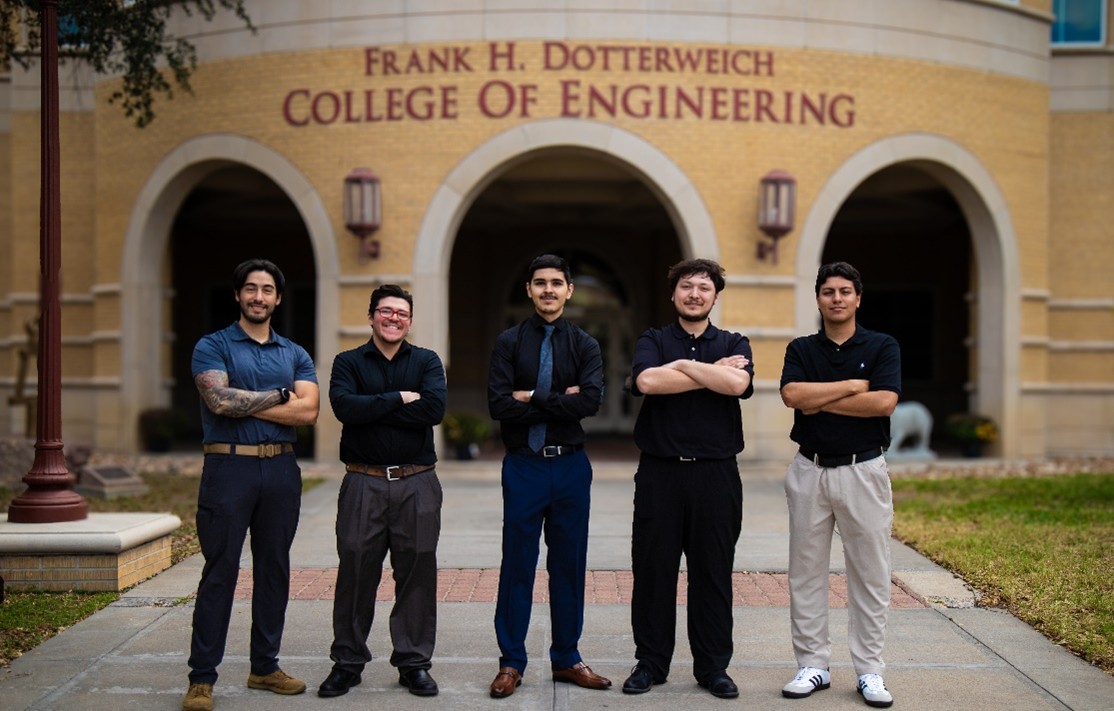
De-Sal Team Photo
Lunar Habitat Team
Faculty Advisors: Dr. Larry Peel and Mr. Raj Mogiligidda
Team Mambers: Alaniz, Noemi C.; Blevins, Garrick; Flores, Alyssa I.; Nkwonta, Chidalu C.; and Rocha, Cindy A.
Abstract
Establishing a sustained human presence on the Moon is a critical step toward future deep-space exploration and missions to Mars. As part of the Lunar and Mars Surface Habitat Module Manufacturing project through the Texas Space Grant Consortium, the JavelinaX team from Texas A&M University–Kingsville is developing a conceptual design for a modular lunar habitat aligned with the goals of the Artemis program. The proposed design utilizes an inflatable structural architecture reinforced with high-strength materials such as Kevlar and Vectran to minimize launch mass while maintaining the strength required for a pressurized habitat. The module is designed to support a crew of two to four astronauts for missions lasting up to two months and incorporates essential living, research, and operational spaces. To improve mission feasibility and reduce risk, the habitat will be prefabricated and tested on Earth before launch and deployed on the lunar surface using modular interfaces and potential regolith shielding for environmental protection. This project establishes a scalable and manufacturable habitat concept that integrates innovative structural design with practical engineering strategies to support future long-duration human operations on the Moon.
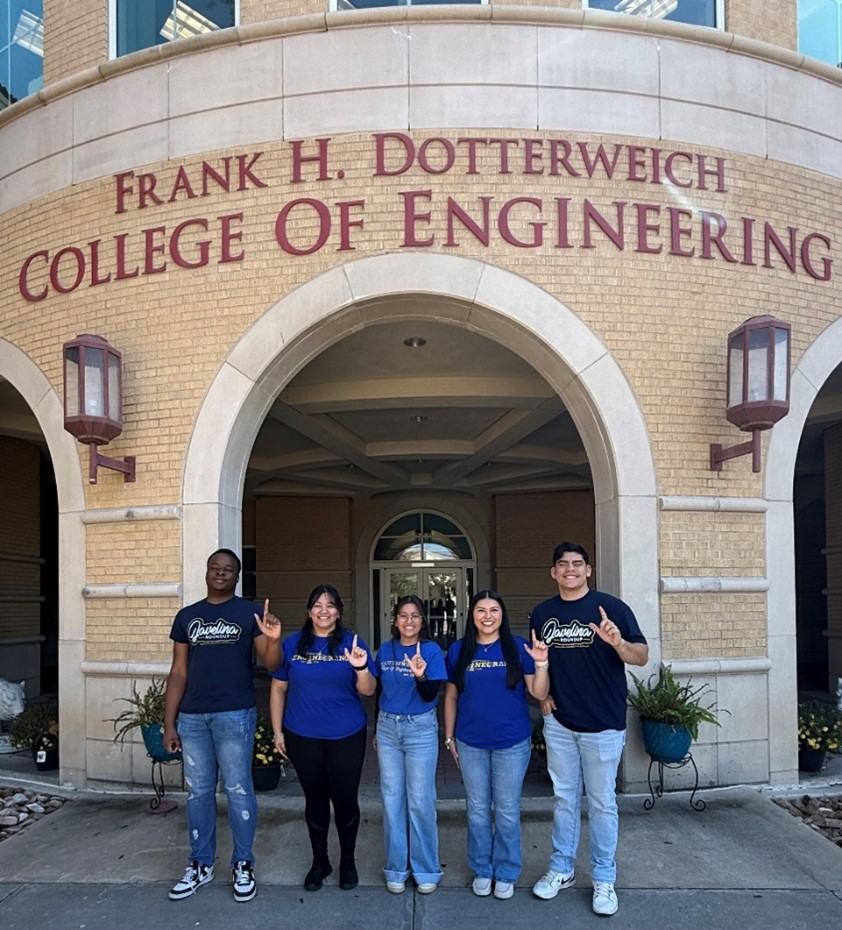
Lunar Habitat Team Photo
Fin and Tube Heat Exchanger Team
Faculty Advisor: Dr. Qian Ma
Team Mambers: Dimla, John Carlo M.; Dominguez, Michael V.; Perez, Daniel; Reshetov, Mikhail K.; and Straiton, Samuel J.
Abstract
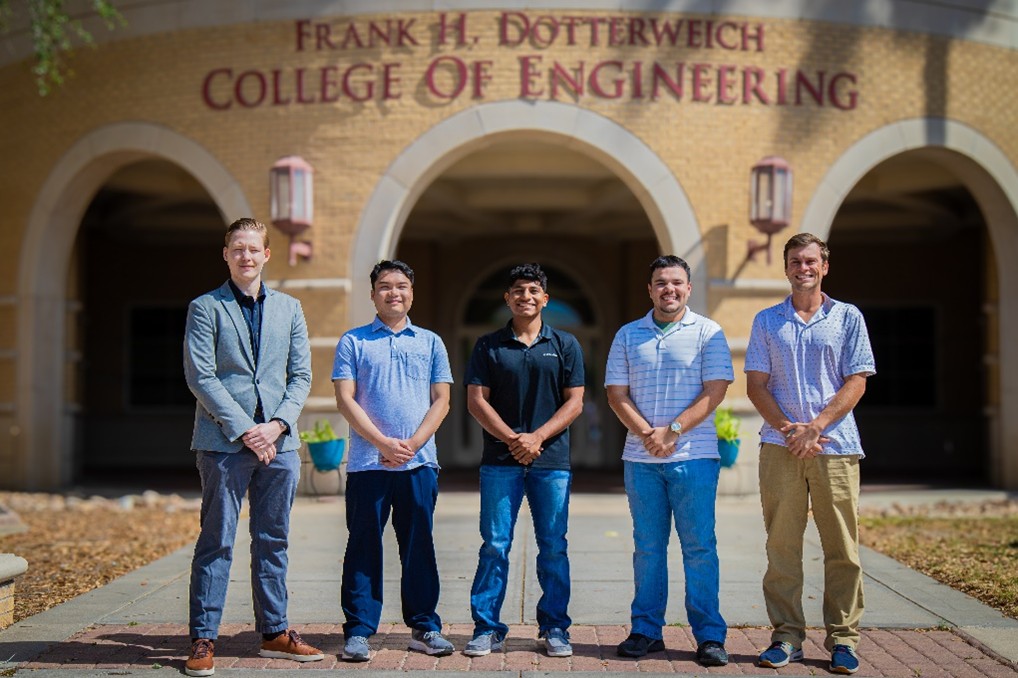
Fin and Tube Team Photo
Oxygen-Butane Rocket Motor Design
Team Members: Cavazos, Brendon G. Estrada, Noah L. Houf, Daniel R. Kawamura, Nicholas J.
Tonche, Joseph J.
Faculty Advisor: Dr. Arturo Rodriguez
Abstract
This project presents the development, fabrication, and testing of a simplified-fidelity gaseous oxygen-butane rocket motor built as an instructional and educational prototype for undergraduate propulsion studies at Texas A&M University-Kingsville. The design will emphasize safety, affordability, and reusability that are achieved by the use of non-cryogenic propellants. commercially available components, and sub-100 psi pressure chambers. One of the major objectives is to demonstrate the fundamental principles of rocket propulsion; namely, thrust generation, nozzle expansion, and propellant flow control. These will be achieved under controlled and constant environmental conditions. The oxygen-butane system will incorporate a stainless-steel combustion chamber, a pressure-regulated dual-feed setup, and interchangeable 3D-printed ABS nozzles to help study the role geometry plays in performance. The experiment integrates ASTM G88 safety guidelines for safe handling of oxygen and provides students with experience in combustion analysis, instrumentation, and mechanical design. Ongoing testing will focus on measuring thrust output, evaluating ignition reliability, and validating theoretical assumptions and predictions of specific impulse and efficiency. The results will guide future versions in automated controls and improvements in material performance.
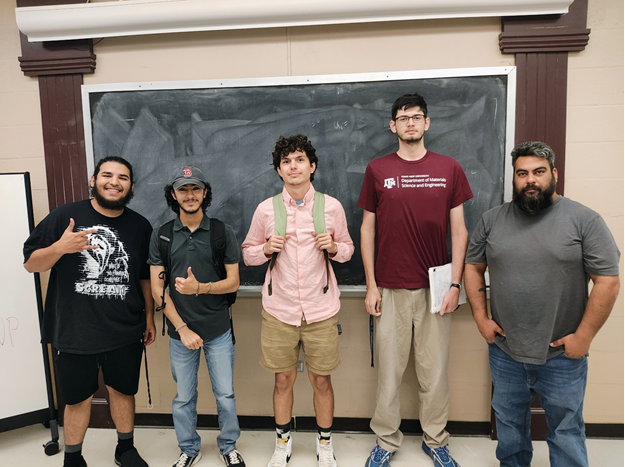
Tilt Wing Drone
Team Members: Hudspeth, William G. Nash, Kristina Olivares, Lucas J. Rodriguez, James R. Torres, Jose
Faculty Advisor: Dr. Sel Ozcelik
Abstract
The tilt wing drone drone project focuses on the design, fabrication, and testing of a cost-effective hybrid unmanned aerial vehicle (UAV) that merges the long-endurance efficiency of fixed-wing flight with the vertical maneuverability of multirotor systems. This design addresses two major limitations of existing UAV technologies: the limited flight duration of conventional quadcopters and the runway dependence of fixed-wing aircraft. The team proposes to develop a lightweight, tilt-rotor system capable of autonomous vertical takeoff with a transition to forward flight and vertical landing. The drone’s core application will be search and surveillance, which can be utilized in many industries. The project integrates open-source flight control systems, with aerodynamic modeling, thrust-to-weight calculations, and structural analysis to ensure a stable and reliable platform suitable for both academic research and real-world field use.
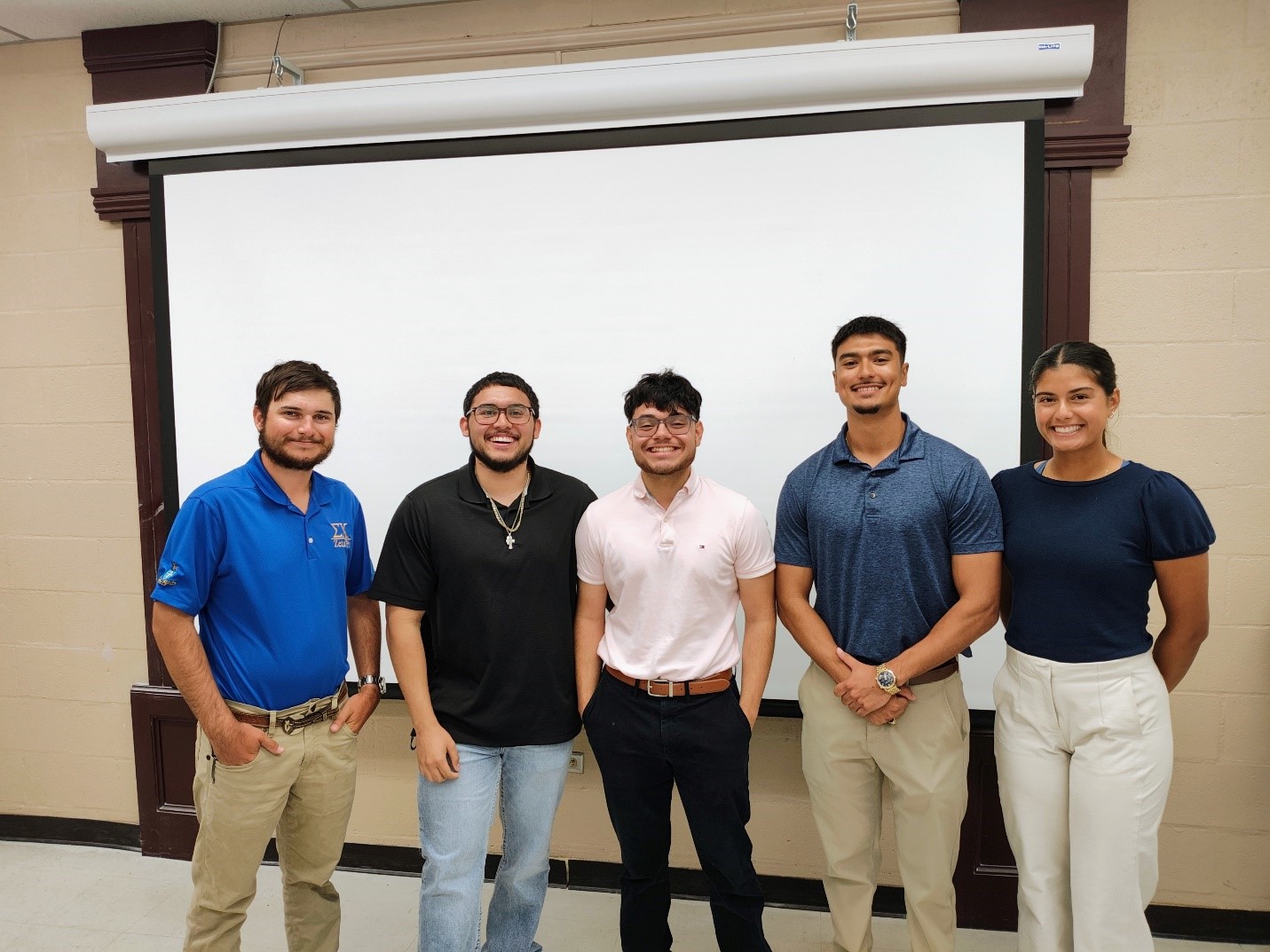
Massey Furguson Transmission
Team Members: Calvillo, David Garcia, Johnathan Gonzalez, Luis R. Solis, Thomas A. Walker, Tyler W.
Faculty Mentor: Dr. Hong Zhou
Abstract
Our report presents the conceptual design of an alternative manual transmission system for the Massey Ferguson 240 tractor to increase torque output and towing capacity. The report addresses the agricultural industry’s need for efficient and affordable equipment capable of performing under demanding field conditions without requiring full machinery replacement. By means of a literature review, the team gathered data on hydrostatic and manual systems, thereby confirming that manual constant mesh transmissions are better suited for high-torque applications. Moreover, a patent review showed minimal restrictions due to the age of the model, allowing design flexibility. Theoretical analyses and experimental data from prior studies revealed that torque performance depends on multiple variables: soil type, speed, and gear ratios. Our goal is to achieve at least a 20% torque increase while maintaining system compatibility and reliability. ASTM and AGMA Standards will be utilized in the design effort.
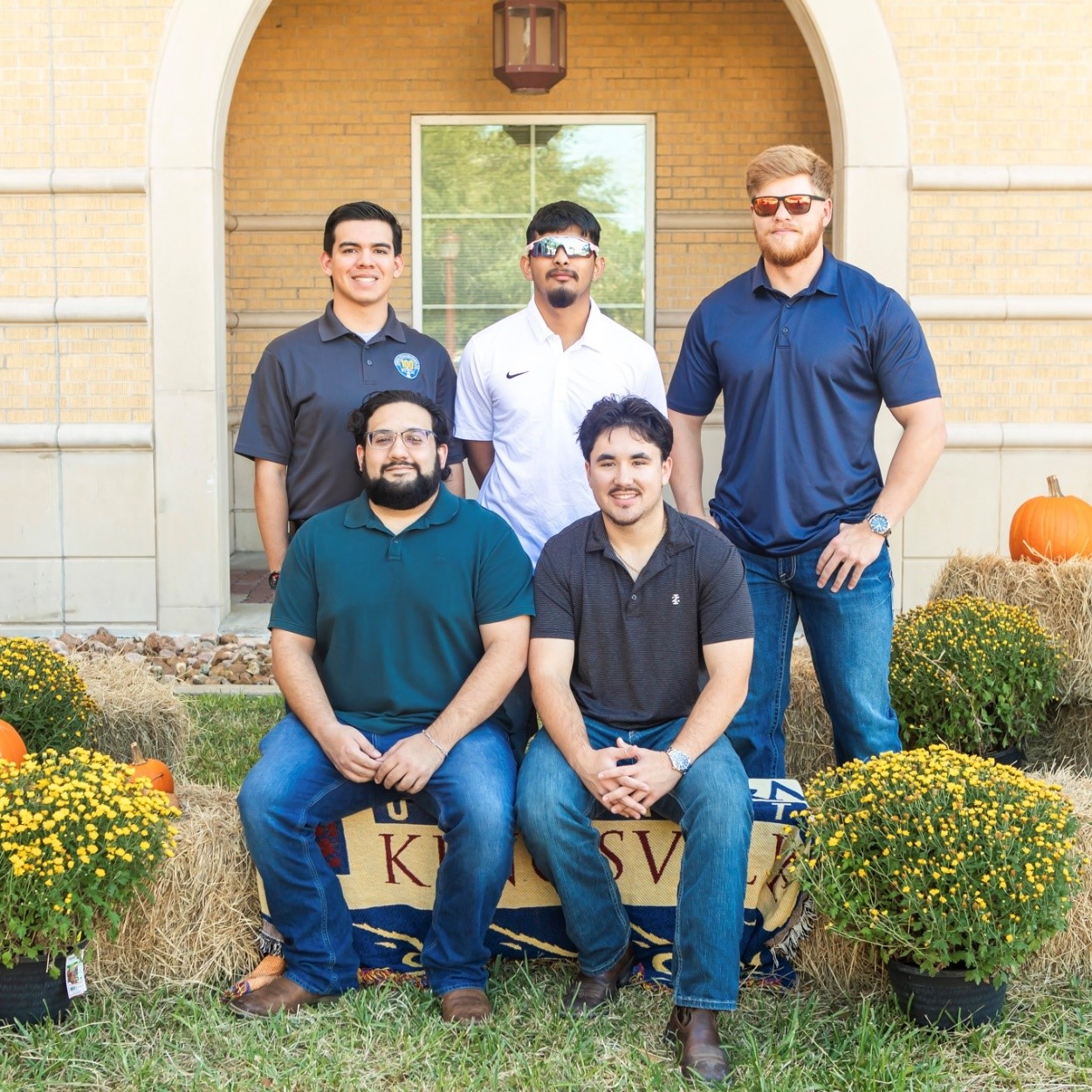
Lunar Trencher
Team Members: Andersen, Conor D. Cavazos, Kyle C. Davis, Zachary M. Martinez, Marcus Mcbrayer, William G. Regalado, Diego R.
Faculty Advisor: Dr. Larry Peel
Highlight: TSGC (Texas Space Grant Consortium) Design Challenge
Abstract
Farscape Engineering seeks to assess the viability of burying fiber optic and power cable in the lunar regolith using a self-propelled battery powered machine. The importance of this challenge stems from the greater goal of a permanent human presence on the moon, which requires lunar habitats having both power and the ability to communicate locally without having to use earth as a relay. Therefore, it is imperative to develop a solution that would allow an operator to safely and efficiently lay fiber optic and power cable concurrently. At this point, the team is in the conceptual design phase. Reasonable constraints and objectives have been established using information from the literature review to make appropriate assumptions about the lunar regolith. The team plans to begin modeling, analyzing, and optimizing various components of the proposed machine in spring 2026.
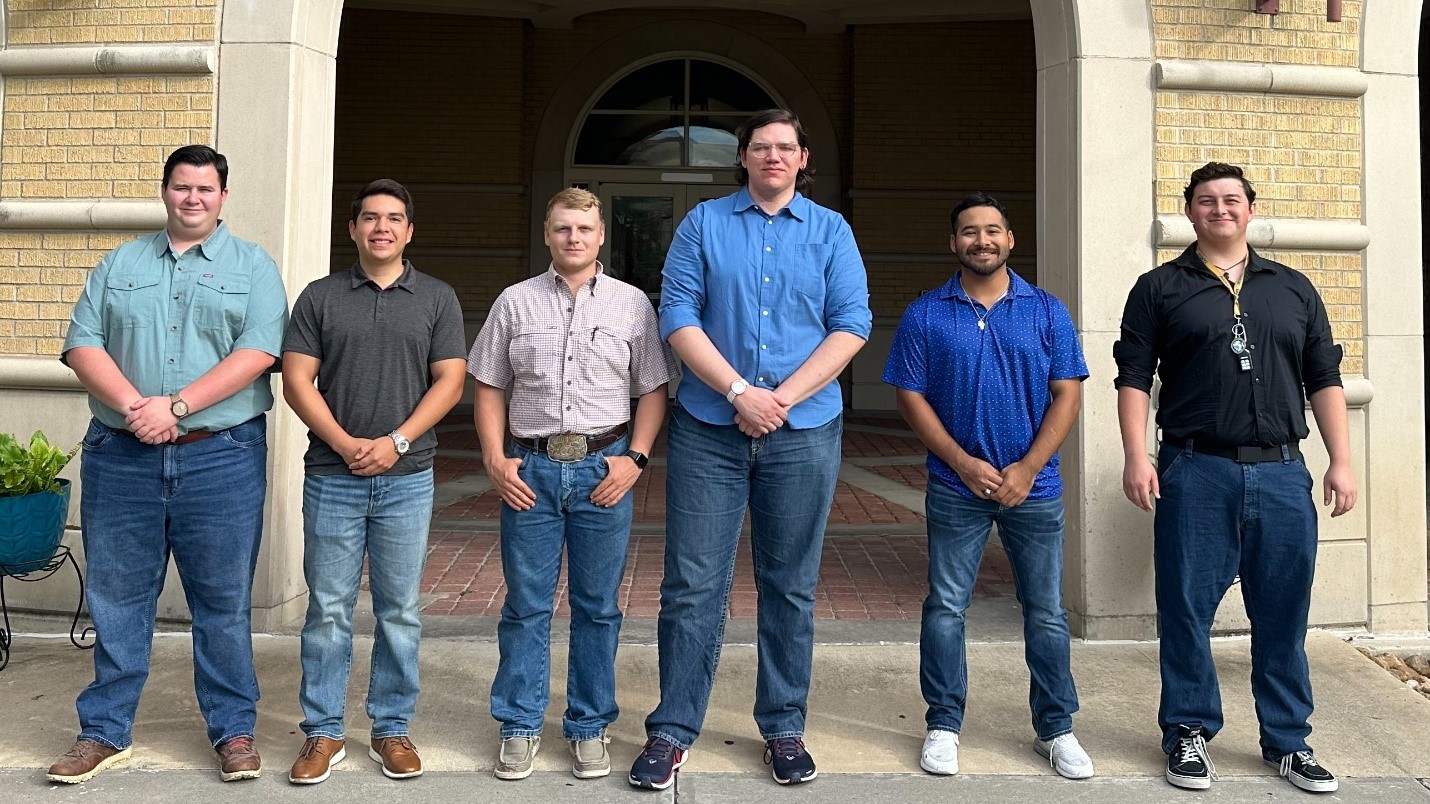
Lunar Storage Modules
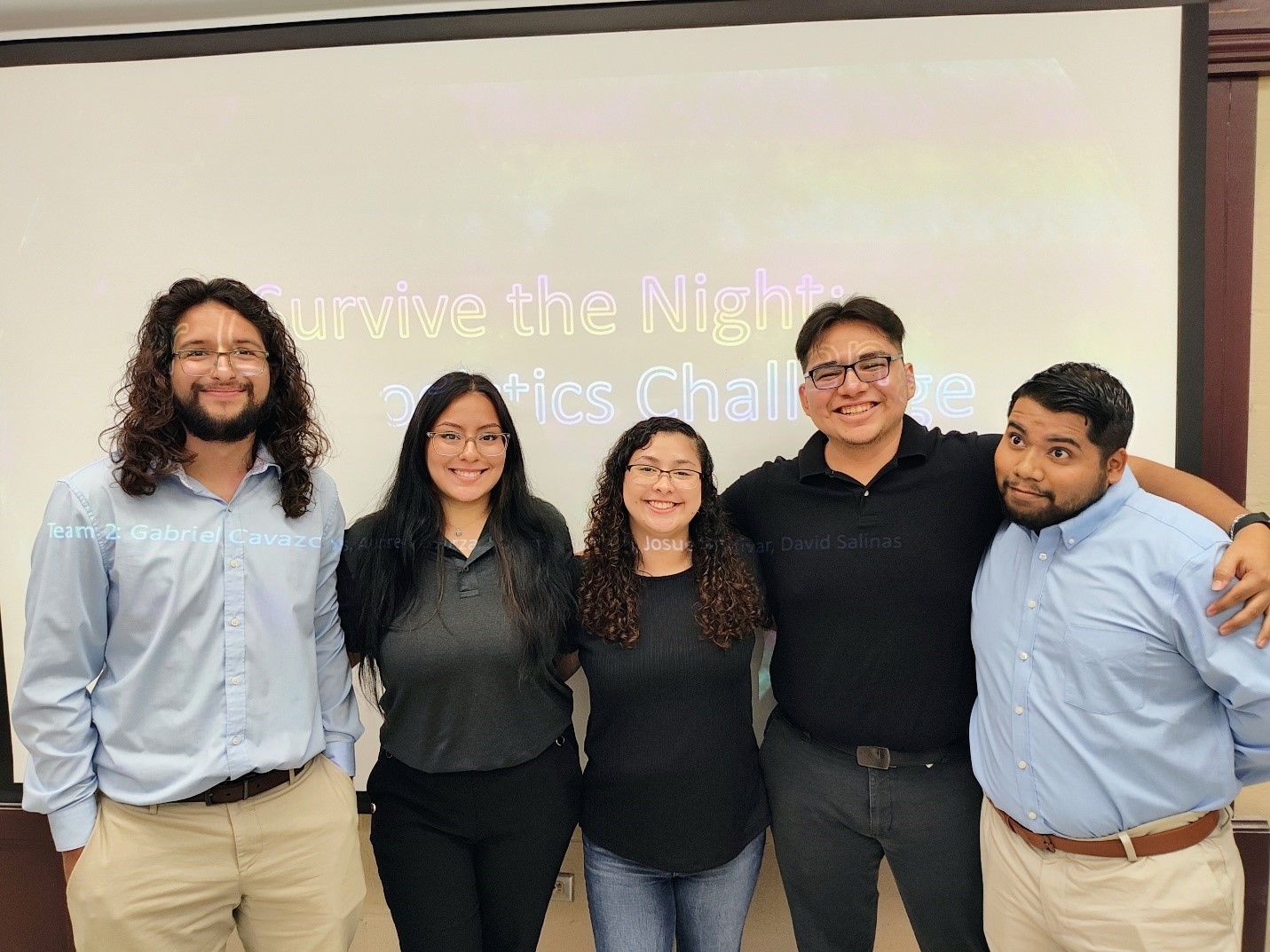
Team Members: Cavazos, Gabriel L. Garza, Audrey L. Nesmith, Sarena Saldivar, Josue Salinas, David A.
Faculty Advisor: Dr. Sangsoo Lee
Highlight: NMSU WERC Competition
Abstract
This project presents the design and preliminary research/development of a logistics container for NASA’s Survive The Night: Lunar Logistics Challenge. The goal of the challenge is to create a storage container that can maintain strict internal temperatures of 4-21 degree Celcius, and pressures of 56-101kpa. The container is to withstand 30 days of unmaintained and unmanned exposure to the lunar environment, followed by 28 days of crew use and maintenance. Lunar extremes include the temperature, which ranges from 130F to -334F, to the lunar regolith which is extremely abrasive and harmful to both supplies and the human body. Research was conducted into past NASA designs of their lunar missions. Concepts were drawn from these past designs, including material selections, insulation, and standards. The promising design features MLI (Multi-Layered Insulation) and a vacuum sealed annular space to help regulate internal temperature. The container will also include sensors to monitor internal pressure and temperature throughout the mission.